
A multi-faceted type
Type 7 is confusingly multi-faceted. Most descriptions of type 7 describe predominantly one style: an entertaining hedonist. But the type is more general.
To read first: Type 7 and authority.
A general description of type 7 requires elements difficult to see. Even if some traits are positive, there are facets a 7 often needs to keep secret to himself in order to feel entitled in his authority. Arguably, no-one can see the core patterns about any type directly. But there is another problem. Many 7s do not correspond to a stereotypical description of the type.
A wide range of surface manifestations exist for all types. But for type 9 (for example), we can easily ignore them and focus on key elements. For 7s, we cannot be so systematic. Authority is a key pattern but for some 7s, it does not make sense to call them authoritative. “Taking nothing seriously” is a very common pattern, but some 7s take things seriously. Many 7s are not scattered, many 7s cannot be perceived as idealistic in an obvious way.
Styles
I decided to describe four styles:
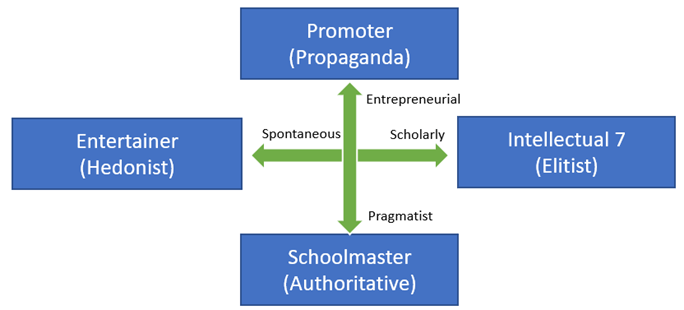
The intellectual 7 is far from being a comedian, has a scholarly tendency, and may lack the spontaneity of the entertainer. The schoolmaster has a natural authority for the most pragmatic things of life and is at odds with the pleasing propaganda of the promoter. All 7s are hedonists of some sort, optimistic, youthful in some way, enthusiasts of some sort, a bit pretentious in some way, all of them rationalize, all of them have a form of natural authority, all of them are tricksters. But all these traits have confusingly different manifestations depending on the style.
These styles are not mutually exclusive. For example, most 7s are between the entertainer and the schoolmaster.
The entertainer
- “Carpe diem!”
- “Variety is the spice of life.”
This style of 7 is the best known. He is the 7-like 7. He is a clear hedonist who wants to enjoy life in the most spontaneous and exciting way. Hedonism is not necessarily into any expensive activity or any kind of excess. It is often just being enthusiastic about everything that shines, the art of telling a fascinating story, meeting smart people, fine food, art, romance, staying away from boredom and routine. These 7s are funny, likely to make one joke a minute, sometimes excitable, talkative, suggestible about sex and seduction. They have the most obvious antidepressant quality.
Such a 7 can sometimes seem to be enamoured with himself with a lot of humour. He plays tricks just to get compliments or impose a phrasing that suits his idealization. He is the least visibly authoritative of all 7s, mostly because his enjoyment of life requires to take nothing too seriously. Dominating others is rarely fun, his domineering tendency is often dramatic and unprepared. Authority or territoriality for him is just a skill to turn all positive and enjoyable attention to himself, be the centre of the show and the life of the party. This style of 7 is the most likely to be flamboyant.
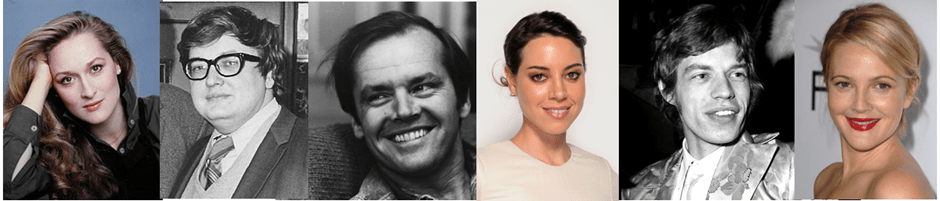
The promoter
- “Fortune favors the bold.”
- “What’s the worst that can happen?”

This style of 7 is 3-like and connected to the stereotype of the car salesman. The surface similitude between this style of 7 and type 3 led Riso/Hudson to misinterpret some aspects of type 7 as type 3.
This style of 7 is very optimistic and tends to think that everything is possible. He speaks inexhaustibly of how to do it. He uses a strategy that has proven efficient over millennia: state the obvious in a strickling way and tell people what they want to hear. Rather business-like, he promotes plans and ideas and is good at networking. The style includes startup founders, business consultants, management advisors… Since he is often into uncertain money, his life situation may go from “soon wonderful” to a possible failure (for example most startups are bankrupt within a few years). When plans threaten to collapse, the avoidance of negative anxious states tends to make him still paint the situation as a success story, visibly dissonant with reality. This 7 is the most likely to be perceived as “boasting” and at worst a “con artist”.
He is maybe less fascinating and wonderful than the entertainer and people tend to dislike him more, which he may notice and suffer from. However, he clearly has a generous disinterested side and rarely keeps the slightest negative feeling towards people, even those who perceive his annoying excess of positiveness. This type of 7 is not more narcissistic than the entertainer but filtering on celebrities yields a more narcistic panel (a modest version of this 7 is unknown to the public).
The schoolmaster
This 7 appears essentially 6-like or 1-like. Instead of living in fascinating stories or in the promise of success, he is earthlier, putting his hands in the dirty aspects of ordinary life: a refreshing and unbreakable idealism at work at the bottom of the world. He tends to have a strong intuition about how people receive authority and invest his innate sense of psychology into it.
He is the most clearly authoritative: people follow his directions. Like you obey a schoolmaster without exactly knowing why, people tend to listen to him and comply. This style of 7 tends to see people a bit like kids who need a direction and would otherwise do random things.
He often has a militant side, is quite gregarious, gathers in associations defending whatever idealistic cause he has heard of. Networking has lesser of a business-like quality; it is more like idealistic citizenship or unionizing. The authority of this 7 has something more instinctive, almost readable in his physical attitude. Most real schoolmasters and teachers in secondary school are this style of 7.
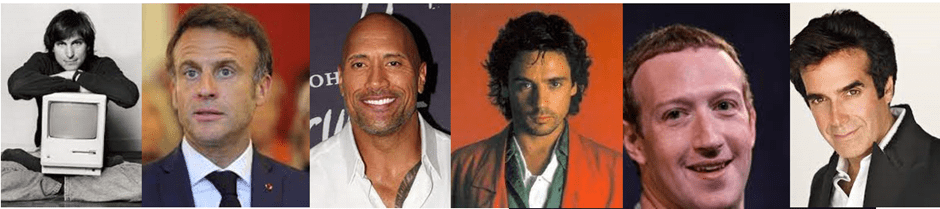
While very common, this version of type 7 is rarely famous. I can give examples of 7s who display a visible natural authority of the same style without exactly matching the description:

The Intellectual 7
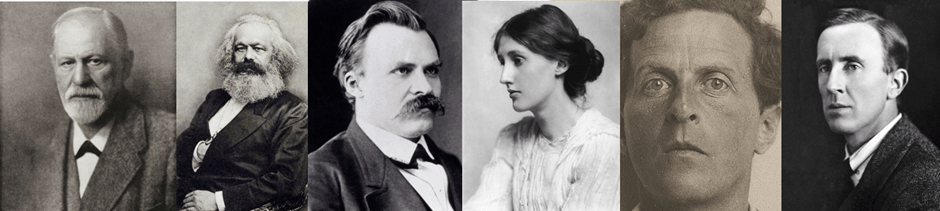
Naranjo’s most brilliant take is about 7s, even though he describes only one style. His take is mostly between the promoter and the intellectual 7. He notices that revolution theorists are 7s, which is a key example.
The intellectual 7 is the least known and the most difficult to see as a 7. He is more serious. The word “positive outlook” may not apply to him. Because of his intellectual side, he has (what we could see as) a 5-like quality. Often assertive and slightly domineering in intellectual topics, he can even sound like an 8 or (what we could see as) a counterphobic 6. He shares a certain elitism, superiority, and radical idealism with type 4.
This style of 7 has something of the Renaissance man and values an ideal of mastery and cultural wonder. Apparently wiser, he can have a vast culture and his knowledge is often far above the norm. Like any 7, his expertise remains the one of a polyvalent person and not as solid as it seems. His natural authoritative side often leads people to overestimate his knowledge. Unlike the promoter, the trickster of this 7 is more elaborate and can convince very clever persons. The “gatekeeper of the castle” aspect of this 7 often makes him prone to gather followers and get involved in academic controversies between schools of thoughts.
The authority of this 7 has an elitist quality. The entertainer hates being stuck in boredom, this style of 7 instead refuses to admit idiots to the club. He talks to people as if they were clever by default and gets easily frustrated when they play dumb. He is entitled to promote a message, a certain point of view from which he barely allows deviations. This 7 has a certain revolutionary stance and “visionary” suits him well. He is sometimes likely to create his own dogma in his field. He is noticeably darker and has a tougher vision of the world than the other 7s.
Examples
Real life 7s have not just one style but adopt a different style depending on the situation. I remember a colleague of mine who matched the promoter in his job but when we got informally acquainted, he switched to the entertainer. That’s how I understood he was a 7 and not a 3. Most people I once thought to be 3s were 7s and the same happened. It is because many 7s have the entertainer style and another one that I could see the four styles.
Styles are not clearcut. The following examples are undoubtedly 7s but the style is arguable. The Entertainer / Intellectual is often the same as the artistic 7.
- Malcom X: Promoter / Intellectual
- Woody Allen: Entertainer / Schoolmaster
- Bill Gates: Promoter / Entertainer
- Tom Cruise: Promoter / Entertainer
- Bruce Willis: Entertainer / Promoter
- Jim Morisson: Entertainer / Intellectual
- Marylin Monroe: Entertainer / Promoter
- Eminem: Entertainer / Intellectual
- Debbie Harry: Entertainer / Schoolmaster
- Madonna (rare example of 7w8) : Entertainer / Promoter
- Michael Jackson: Entertainer / Promoter
- Paul Simon: Entertainer / Intellectual
- Freddy Mercury: Entertainer / Intellectual
- Brahms: Intellectual / Schoolmaster
- Mozart, Bach…: Entertainer / Intellectual
 Enneagram Elements